Silk Bonnets & Pillowcases: What They Actually Do for Hair (Honestly)
Affiliate disclosure: this page contains affiliate links — if you buy through them, we may earn a commission at no extra cost to you.
The short answer: the mechanism is friction, and the friction claim is real. Cotton grabs hair and wicks its moisture overnight; silk and satin let hair slide, which means less breakage at the hairline, fewer morning tangles, and curls or blowouts that survive to day two and three. What sleep protection does not do is grow hair or repair damage — it prevents new damage, which compounds quietly. At $6, the honest question isn't whether it works; it's satin or silk, and bonnet or pillowcase.
Satin vs silk at this price (the honest answer)
Real silk (charmeuse, momme-rated) costs real money. What $4–8 buys is satin — a weave, usually polyester — and here's the honest part: for friction reduction, satin does the job. The slide is what protects hair, and satin slides. Where real silk earns its price is breathability and temperature (silk stays cooler and absorbs less product), which matters more for skin than hair. Review consensus at this price class: buy the satin without guilt, wash it weekly on gentle, and replace it when the sheen dulls — the sheen is the function.
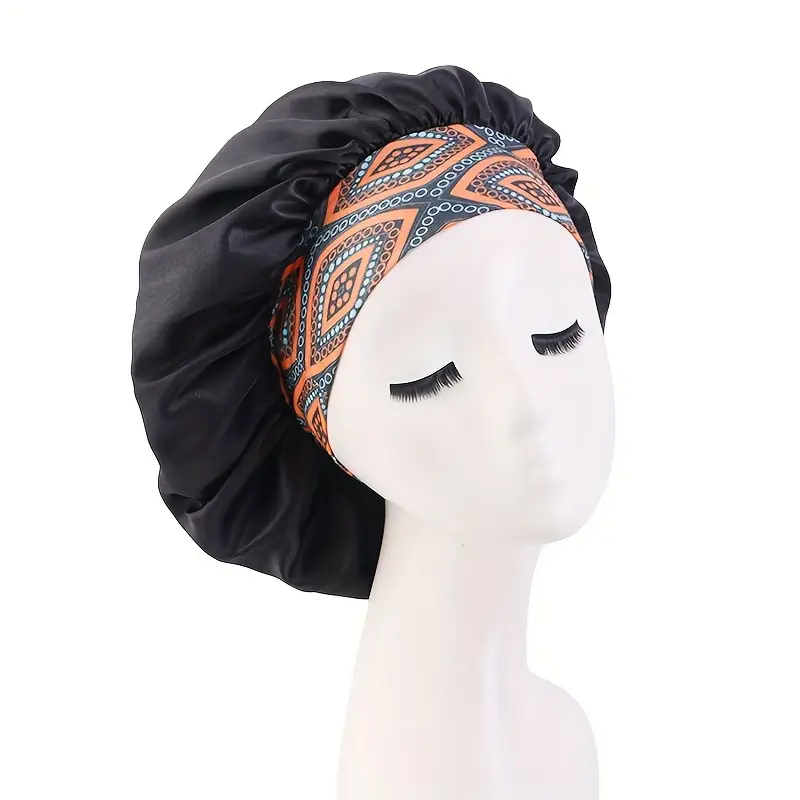
Silk Sleep Bonnet
Hair-care-while-you-sleep — a most-searched product of 2026 with strong repeat buys.
🚚 Free shipping on most orders · price at time of writing
Bonnet or pillowcase? (different jobs)
The bonnet protects the style: curls, braids, blowouts and anything with product in it stay contained and untouched — it's the tool for textured and styled hair, and the reason "day 3 curls" reviews exist. The catch is staying on: the elastic-band versions migrate off some heads by 3 AM; the adjustable tie versions fix it. The pillowcase protects passively — nothing to wear, works every night, also kinder to facial skin (fewer crease lines than cotton). It's the right answer for fine, straight hair and for anyone who won't wear a bonnet twice. Plenty of buyers run both: bonnet on style nights, pillowcase always.
The realistic expectations paragraph
What changes in the first month, per reviews: visibly fewer morning tangles, less snap at the hairline, styles surviving an extra day or two, and less frizz on humidity-prone hair. What doesn't change: growth rate (that's biology, not bedding), existing split ends (that's scissors), and anything a repair mask actually addresses — pair the prevention with a weekly mask if damage is the concern. This is a compounding purchase: boring at week one, obvious at month three.
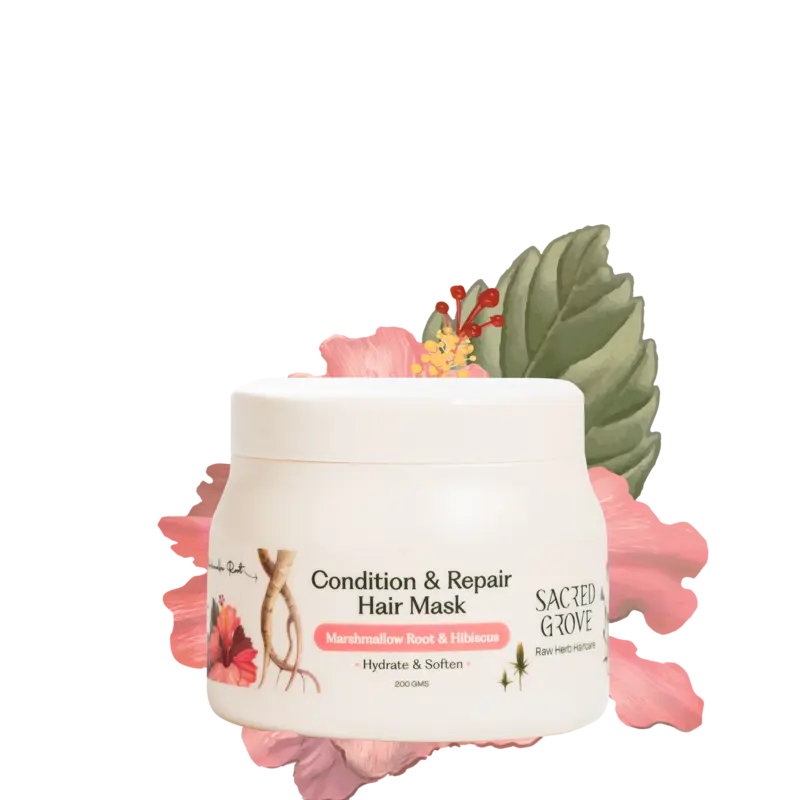
Hair Repair Mask
One of the most-searched beauty products on Google Trends in 2026.
🚚 Free shipping on most orders · price at time of writing
FAQ
Do silk bonnets really help hair?
Yes, through one honest mechanism: less friction means less breakage, fewer tangles and longer-lasting styles. They prevent new damage — they don't repair old damage or speed up growth.
Is satin as good as silk for hair?
For friction protection, effectively yes — the slide is what matters, and satin slides. Real silk wins on breathability and temperature, which matters more for skin than for hair.
How often should you wash a satin bonnet or pillowcase?
Weekly on a gentle cycle (or hand wash), air dry. It collects product and oils like any bedding — a dirty bonnet undoes the hygiene half of the benefit.
→ See all Sleep & Wellness picks