Travel Neck Pillows: The U-Shape Isn't Always the Answer (Wear It Backwards)
Affiliate disclosure: this page contains affiliate links — if you buy through them, we may earn a commission at no extra cost to you.
The short answer: the classic U-pillow fails most people because they wear it wrong — the opening should face backwards for window-seat leaners and the thick side goes under the chin for the head-bob sleepers, which is most of us. Material matters second: memory foam supports best but packs worst, inflatables pack best but feel like it. Here's the honest matrix, the backwards trick explained, and who should skip the category entirely.
The backwards trick (and why the default fails)
Worn as pictured on the packaging — opening forward — a U-pillow supports the sides and abandons the chin, so your head still drops forward the moment you actually fall asleep, which is the whole failure. The fix frequent flyers converge on: rotate it so the thick back sits under your chin, or wear it fully backwards with the opening at your neck. The chin now has a shelf; the head-bob wake-up ends. If a pillow's arms are too stiff to rotate comfortably, that's the review detail that separates the good ones from the neck braces.
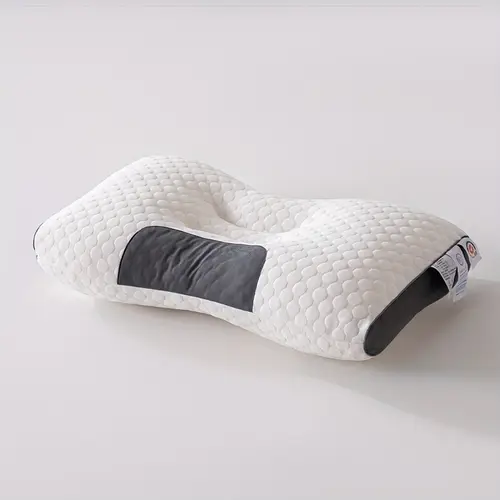
Ergonomic Neck Pillow
Cervical-support memory foam — a 2026 cozy-economy staple with strong search demand.
🚚 Free shipping on most orders · price at time of writing
Memory foam vs inflatable vs microbead (honest matrix)
Memory foam wins support and loses packing — even the compression-strap versions eat a third of a daypack; it's the pick for long-haul and for anyone who naps hard. Inflatables pack to nothing and are the minimalist's answer; the cost is a firmer, slightly crinkly feel and a mid-flight top-up. The newer H-shape inflatables that brace the chin score better than the classic U in reviews. Microbeads are the budget middle: decent feel, moderate bulk, and the honest con that beads migrate away from where you lean over months. Whichever you pick: a removable, washable cover is non-negotiable — planes are not clean places.
Who should skip the neck pillow entirely
Aisle-seat passengers who don't sleep on planes are buying a bag ornament — spend the money on sleep earbuds instead, which solve the actual problem (noise) for that seat. And anyone whose real issue is flight anxiety or restlessness gets more from the full comfort stack — mask, earbuds, hydration — than from any single pillow. The pillow is for people whose heads genuinely drop; the chin-drop test at home (sit upright in a chair, relax fully — did your head fall forward?) predicts membership in that club with embarrassing accuracy.
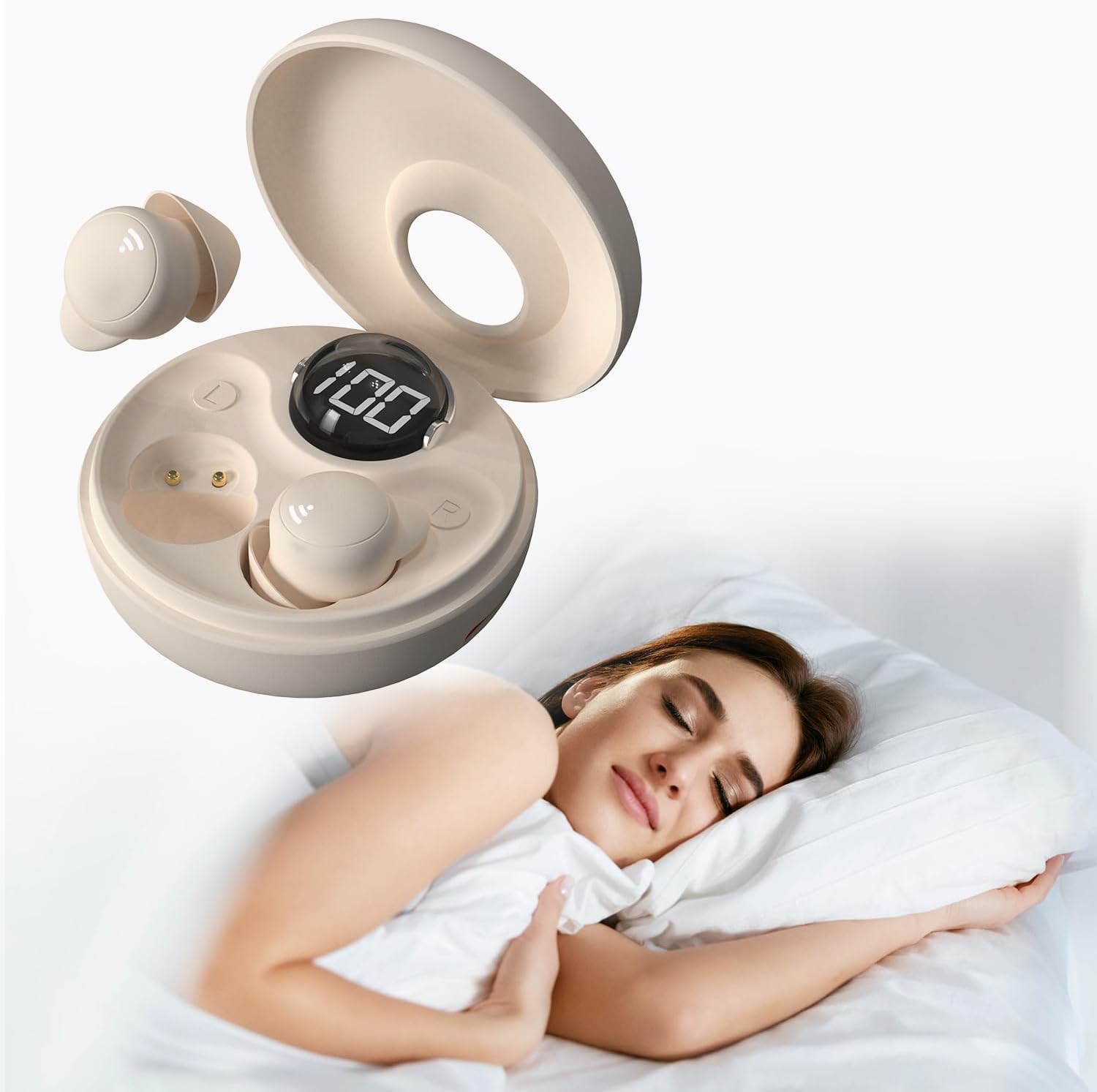
Sleep Earbuds (Side-Sleeper)
Flat, comfort-fit earbuds for sleeping — a breakout 2026 search term.
🚚 Free shipping on most orders · price at time of writing
FAQ
How are you supposed to wear a travel neck pillow?
Most people do better with the thick part under the chin or the whole pillow backwards — it stops the forward head-drop that actually wakes you. The as-pictured position only suits side-leaners.
Are inflatable neck pillows any good?
For packing space, they're unbeatable and the newer chin-bracing H-shapes review well. The trade-off is a firmer feel and occasional re-inflation — memory foam still wins pure comfort on long-haul.
Are cheap memory foam neck pillows really memory foam?
The mainstream ones are, just lower-density than premium brands — softer, less durable, fine for occasional travel. The tell in reviews is how fast it rebounds: instant rebound means cheap foam.